Andrew J.B. Pisansky, M.D., M.S.
Resident in Anesthesiology at Brigham and Women's Hospital
PGY-4
February 16, 2019
With the eight days of operating behind us and our part of the work completed, it is easier to reflect on the work we did and see beyond the operations and to the patients and their families. In total, we provided cardiac anesthesia for 17 operations (16 primary valve surgeries and 1 reoperation for persistent bleeding). The days were long and our need to be continually vigilant to prevent medical errors or harm from coming to the patients persisted until the end of our trip. However, we were successful in our cases and there was not a single anesthetic complication resulting in patient harm.
The best part of the trip, however, was seeing the resilience of our patients. Despite many of our patients being adolescents, they were incredibly stoic and brave both before and after their surgery. We would visit them each day in the ICU and the step-down unit. They made remarkable and rapid progress and we would often arrive to find them already up and out of bed, singing and dancing despite being only 2 days postoperative from their surgery. It was incredible.
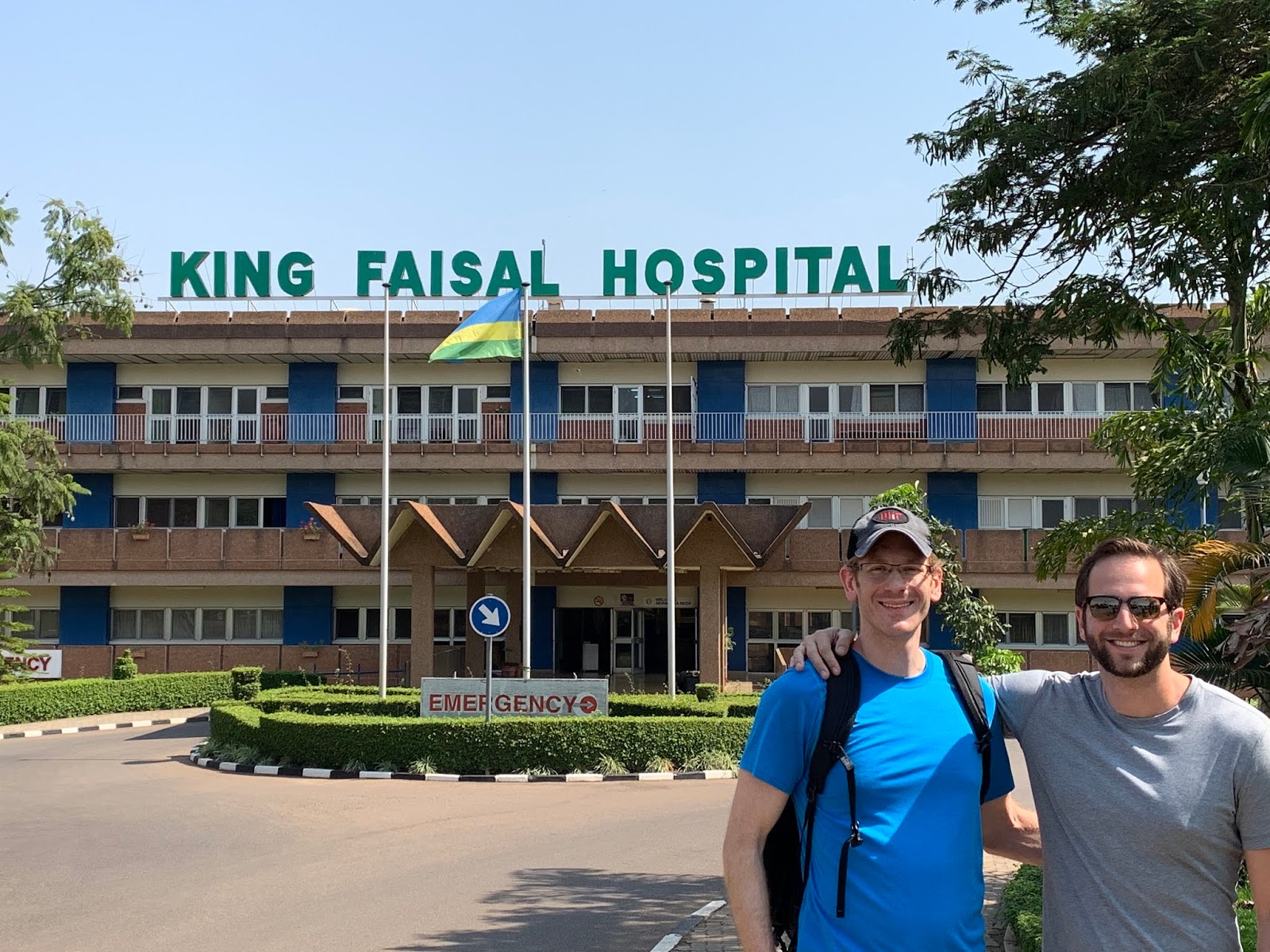
However, there was more than enough time to see the systems challenges that continue to face King Faisal Hospital and Team Heart as we work toward the goal of King Faisal cardiac surgery teams being able to treat patients during the months when our teams are not present. This capacity-building component of Team Heart has been part of the project’s mission since its inception. Self sufficiency in cardiac surgery is a possibility, but plenty of work remains to be done. At present, there is a Rwandan surgeon who has completed his training in cardiac surgery and recently joined the staff at King Faisal. He will continue to operate with Team Heart surgeons as part of his continual training. However, the other supporting services will require continued development: anesthesiology, cardiac perfusionists, scrub nurses, and intensivists still need to be trained. This is a lesson for future development projects, in that all health care is made up of a system and each part of the system must function well in order to drive positive outcomes.
My time in Kigali with Team Heart was amazing. The clinical experience and the patient population were truly unique and will add to my clinical skillset and appreciation for how medicine can be done in environments with which we are unfamiliar. Team Heart will be back next year. Although I will not be with them, I was glad to have contributed to the mission for one trip and will take the lessons learned with me.

Resident in Anesthesiology at Brigham and Women's Hospital
PGY-4
February 16, 2019
With the eight days of operating behind us and our part of the work completed, it is easier to reflect on the work we did and see beyond the operations and to the patients and their families. In total, we provided cardiac anesthesia for 17 operations (16 primary valve surgeries and 1 reoperation for persistent bleeding). The days were long and our need to be continually vigilant to prevent medical errors or harm from coming to the patients persisted until the end of our trip. However, we were successful in our cases and there was not a single anesthetic complication resulting in patient harm.
The best part of the trip, however, was seeing the resilience of our patients. Despite many of our patients being adolescents, they were incredibly stoic and brave both before and after their surgery. We would visit them each day in the ICU and the step-down unit. They made remarkable and rapid progress and we would often arrive to find them already up and out of bed, singing and dancing despite being only 2 days postoperative from their surgery. It was incredible.
However, there was more than enough time to see the systems challenges that continue to face King Faisal Hospital and Team Heart as we work toward the goal of King Faisal cardiac surgery teams being able to treat patients during the months when our teams are not present. This capacity-building component of Team Heart has been part of the project’s mission since its inception. Self sufficiency in cardiac surgery is a possibility, but plenty of work remains to be done. At present, there is a Rwandan surgeon who has completed his training in cardiac surgery and recently joined the staff at King Faisal. He will continue to operate with Team Heart surgeons as part of his continual training. However, the other supporting services will require continued development: anesthesiology, cardiac perfusionists, scrub nurses, and intensivists still need to be trained. This is a lesson for future development projects, in that all health care is made up of a system and each part of the system must function well in order to drive positive outcomes.
My time in Kigali with Team Heart was amazing. The clinical experience and the patient population were truly unique and will add to my clinical skillset and appreciation for how medicine can be done in environments with which we are unfamiliar. Team Heart will be back next year. Although I will not be with them, I was glad to have contributed to the mission for one trip and will take the lessons learned with me.