
NAME: Katherine Albutt
PROGRAM: General Surgery
PGY: Research Resident
(currently completing second year of research)
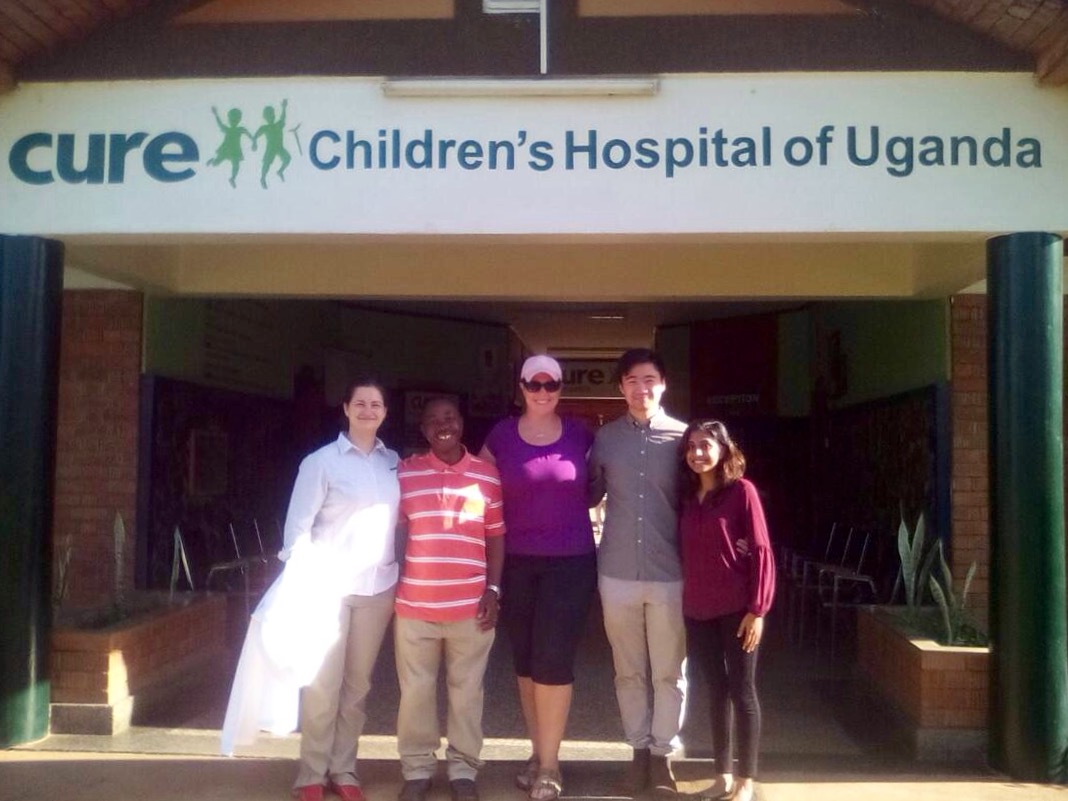
Historically, surgery has
been largely omitted from the global public health discourse. However,
conditions ranging from injuries to cancer to complications from childbirth
comprise a significant and growing proportion of the burden of disease, and all
require surgical attention. In 2015, the Lancet Commission on Global Surgery
(LCoGS) published its finding on the state of surgery across the globe. In its
findings, the Commission recommended all countries collect 6 indicators as
measures of the strength of their national surgical system. Currently no nationwide,
high quality data exists for these indicators in Uganda.
Over the past 18 months, I
have been working on is designed to ascertain and improve surgical capacity in
Uganda through collection of these metrics at randomly selected hospitals.
Specifically, the project seeks to determine the capability, operative volume
and post-operative mortality at the district, regional, and national level;
evaluate the surgical system; and identify priority areas for system
improvement, as determined by local stakeholders. Data collection was completed
at 33 representative hospitals around Uganda, including public, private, and
not-for-profit hospitals around the country.
The results speak for
themselves. The state of surgical affairs in Uganda is dire. The Ugandan public
hospital system does not meet LCoGS targets for surgical access, workforce, or
volume. On average, less than 25% of population has access to a
surgically-capable facility within 2 hours. There are only 0.3 specialist
surgical, anesthesiology, and obstetrician providers per 100,000 population
nationwide. Despite extreme infrastructural and supply constraints, surgical
workforce is the critical driver of operative volume. The nationwide operative
volume is only 144.5 operations / 100,000 people / year.
Challenges in surgical care
delivery in Uganda can be broadly grouped into preparedness and policy, service
delivery, and the financial burden of surgical care: (1) there are significant
delays in accessing surgical care, compounded by a malfunctioning referral
system; (2) operative capacity is limited by inadequate infrastructure and
overwhelmed by emergency and obstetric volume; (3) there are critical workforce
shortages, especially amongst specialists; (4) supply chain difficulties are
rampant pertaining to essential medications, equipment, supplies, and blood;
and (5) patients and families experience significant, variable, and sometimes
catastrophic expenditures for surgical care.
Despite these challenges,
Ugandan surgeons are amongst the most innovative people I have ever met.
Speaking of chest tubes, one surgeon told me: “No, we don’t have chest tubes,
we improvise. Actually, in Uganda, in the places I have worked, I have not seen
chest tubes. I have only seen them in the textbooks.” Elsewhere, another
surgeon stated: “Chest tubes. We actually improvise most of the time. I’m sure
if you checked very carefully you might find one or two but most times we
improvise. We use whatever is available. Whatever you have.” It is not
surprising, then, that the chest tube drainage system is also improvised as a
pleurevac would be impossible to find. But they figure it out and they manage
to drain the thoracic cavity, albeit perhaps not always in the most optimal or
most sterile way. But nonetheless, they almost always find a way.
It is abundantly clear that critical
policy and programmatic developments are essential to build surgical capacity
and facilitate provision of safe, timely, and affordable surgical care. I hope
that the discussions I have had and will continue to have over the coming
months and years will lay pave some solid ground for the long road ahead in
building surgical capacity in this magnificent country.


